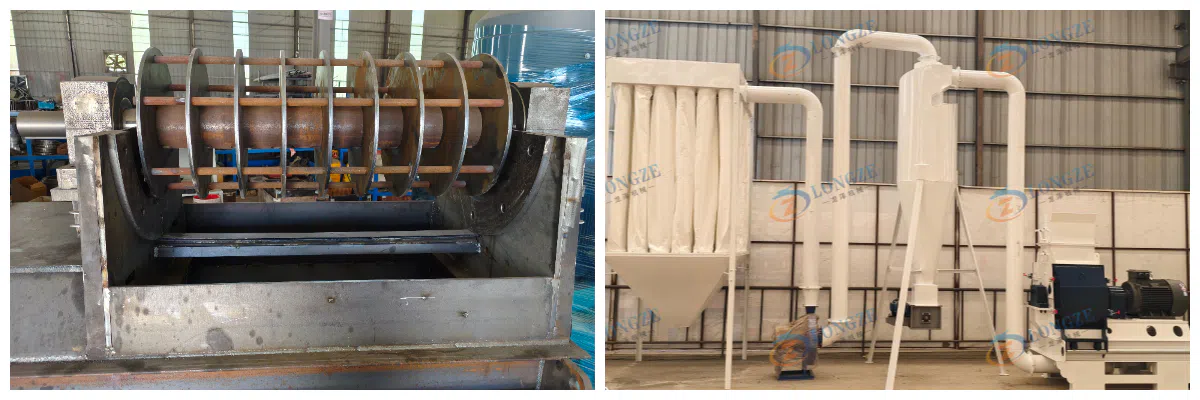
Introduction
The versatile hammer mill boasts ultra-wide material adaptability, capable of processing almost all conventional biomass and agricultural waste materials. It can efficiently crush corn cobs, wheat straw, rice straw, peanut shells, sawdust, tree branches and various crop residues.
Besides biomass materials, it also applies to coarse crushing of partial grain raw materials and light industrial waste. Its powerful compatibility enables one machine to meet multiple production demands and improve resource utilization.
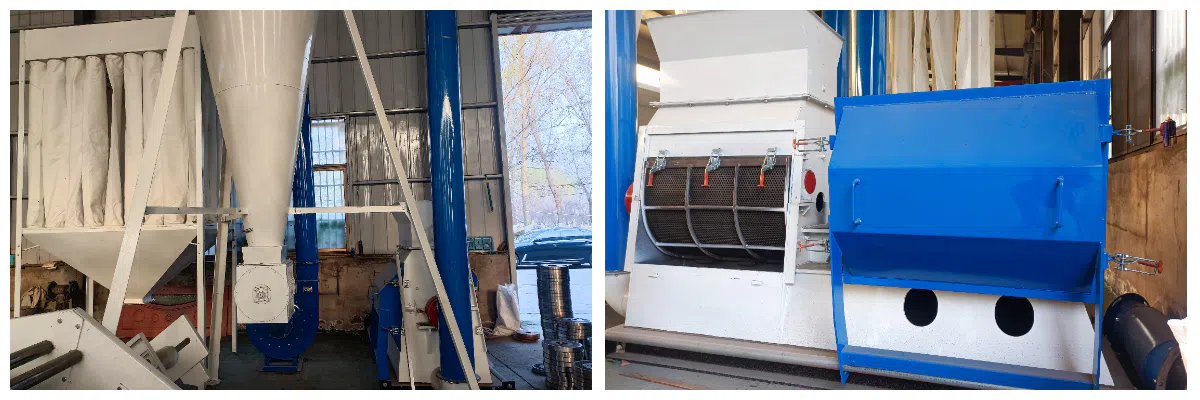
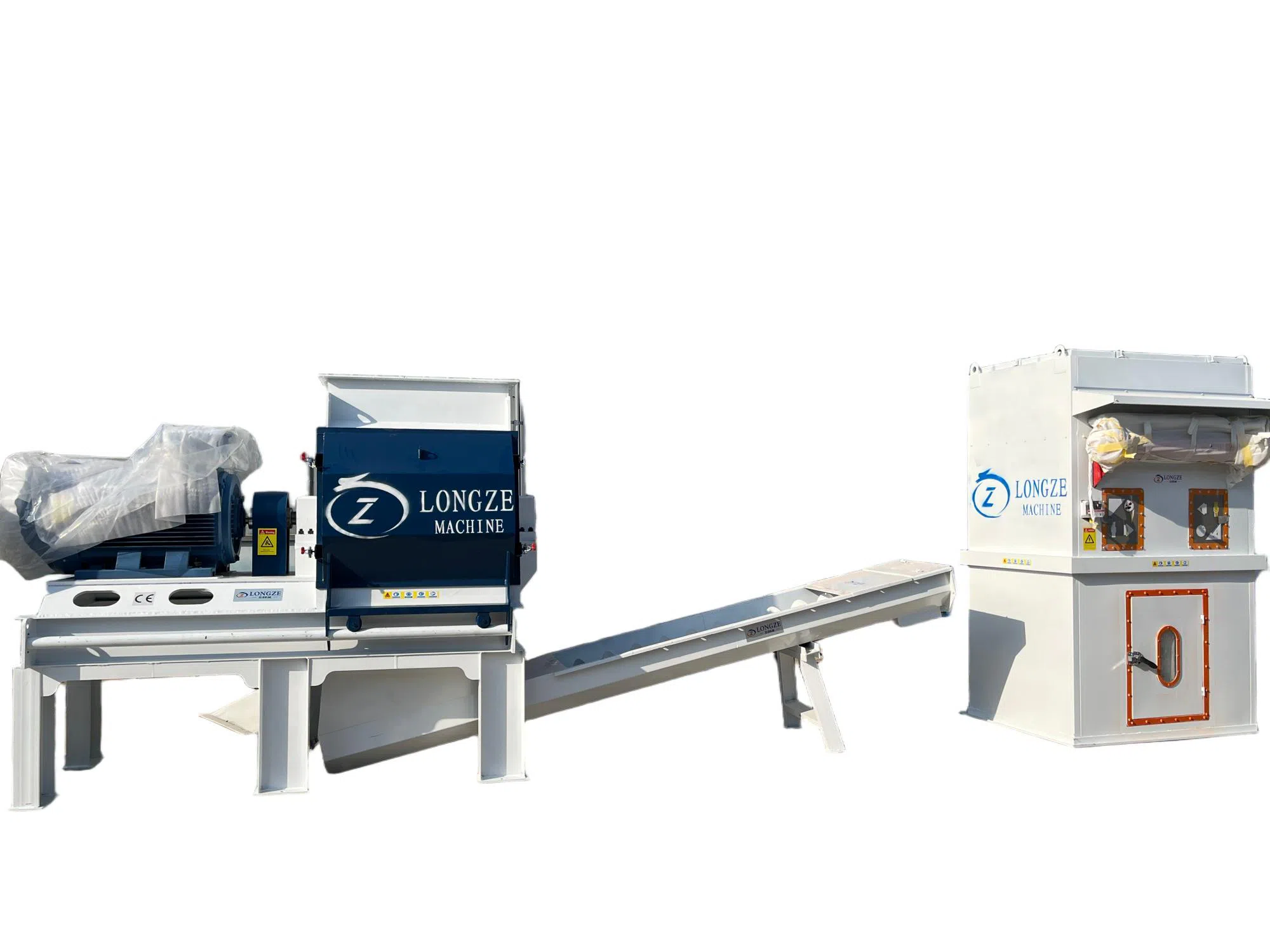
Advantages
Industrial-grade hammer mills adopt enhanced power configuration and enlarged rotor cavity structure, supporting high-throughput and 24-hour non-stop continuous operation. The optimized internal material circulation system avoids idle operation and material accumulation, ensuring stable hourly output.
It perfectly adapts to high-intensity industrial production rhythms, effectively improving overall production efficiency and reducing unit time production costs for large-scale processing plants.
Application Scenarios
Municipal garden management departments use hammer mills to dispose of garden greening wastes. They crush pruned branches, fallen leaves, lawn trimmings and shrub residues produced in urban parks and green belts into decomposed organic fragments.
The crushed garden waste can be directly used as mulch for green belts, or further processed into organic compost for soil improvement. This application realizes on-site recycling of garden waste, reduces transportation volume and lowers urban waste disposal costs.