
Introduction
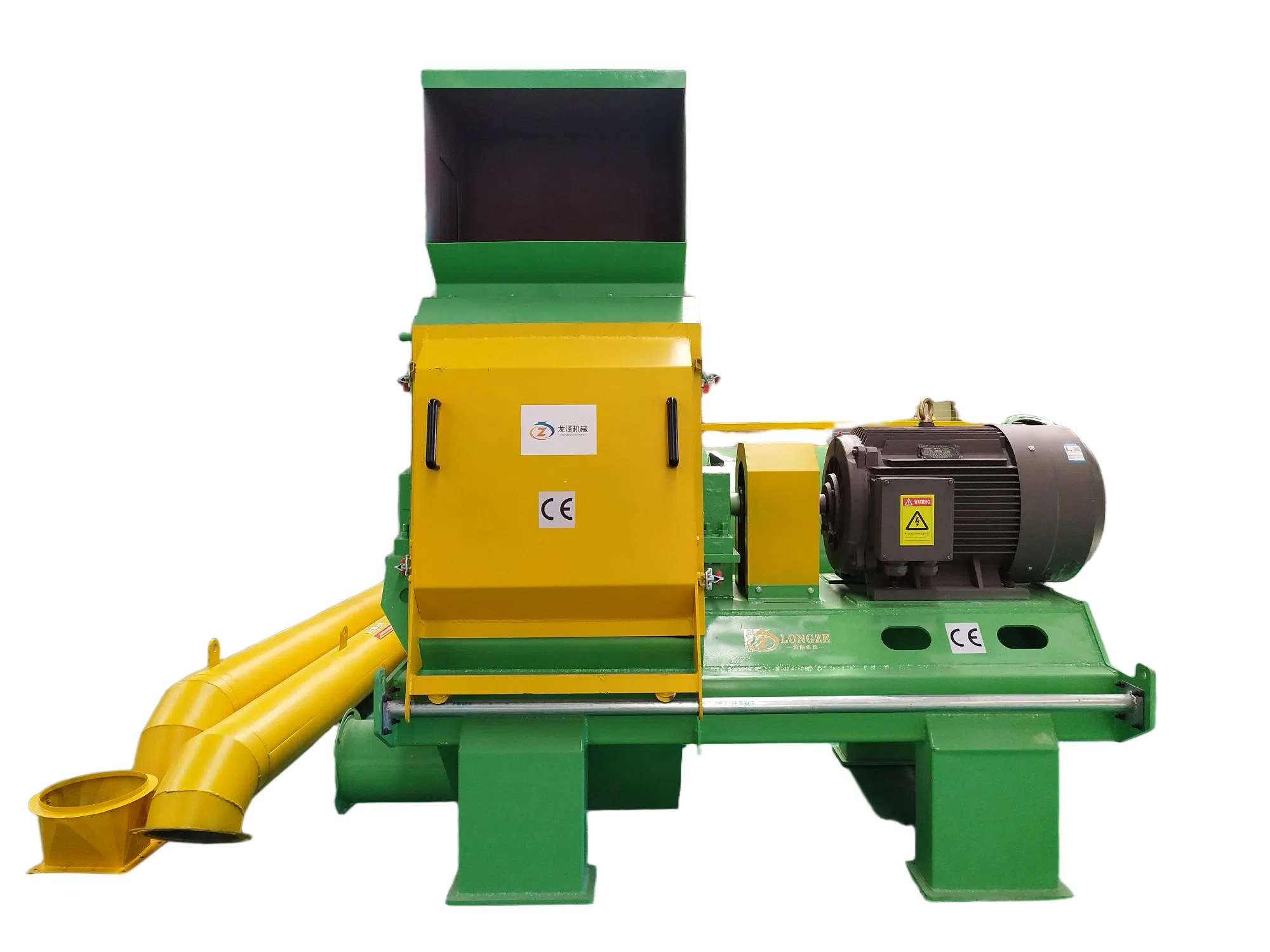
This hammer mill adopts a fully sealed grinding chamber with standard dust collection interfaces to control airborne particles during biomass processing. The sealed structure prevents fine dust from leaking into the workshop, while the connected dust extraction system captures generated dust efficiently. It addresses the dust problem commonly seen in dry biomass crushing, helping production facilities meet occupational health and environmental protection standards. It is particularly suitable for processing dry straw, rice husk and other dusty biomass materials.
Advantages
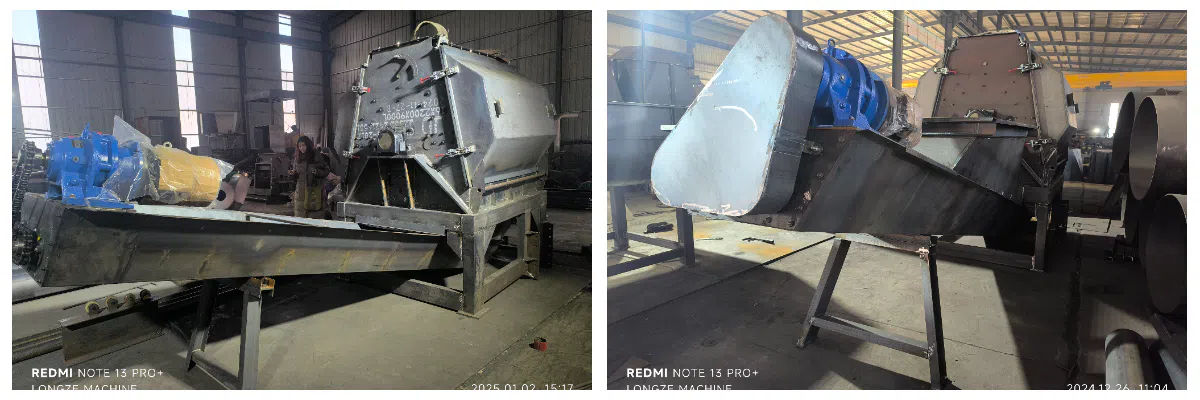
The matched 3 KW air-lock valve maintains reliable air sealing while enabling continuous, uniform discharge of crushed biomass. It prevents outside air from entering the negative-pressure conveying system, preserving stable airflow and cyclone separation efficiency. The rotary air-lock design delivers steady, pulse-free material output, avoids dust leakage at the discharge point, and works seamlessly with both the cyclone separator and downstream conveying equipment for fully enclosed material transfer.
Application Scenarios
Deployed in organic fertilizer production facilities, this hammer mill prepares uniform raw feedstock for aerobic composting and commercial fertilizer processing. It crushes crop straw, mushroom residue and other agricultural wastes into properly sized particles that accelerate microbial decomposition and shorten composting cycles significantly. The fully enclosed grinding and conveying system prevents dust leakage during production, maintaining a clean production environment. Its output rate matches the feed speed of medium-scale organic fertilizer production lines perfectly.
YouTube Video Link


