Introduction
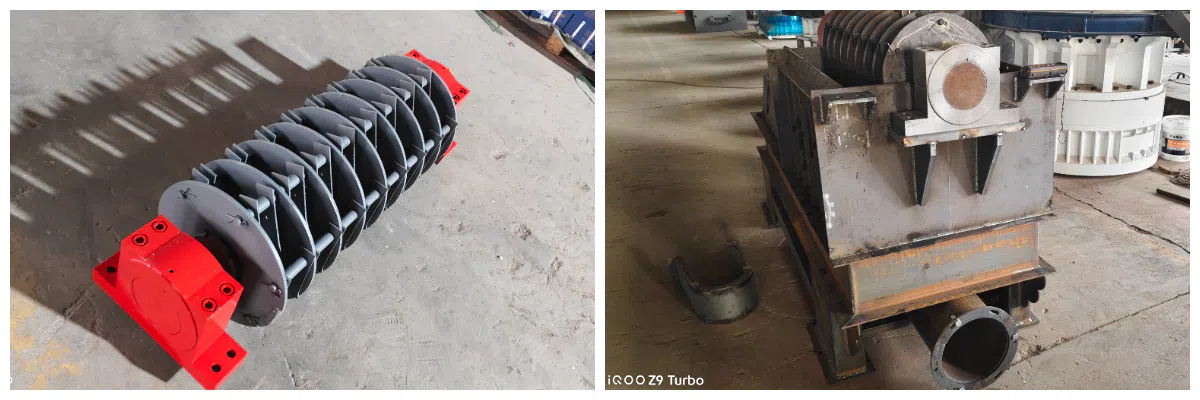
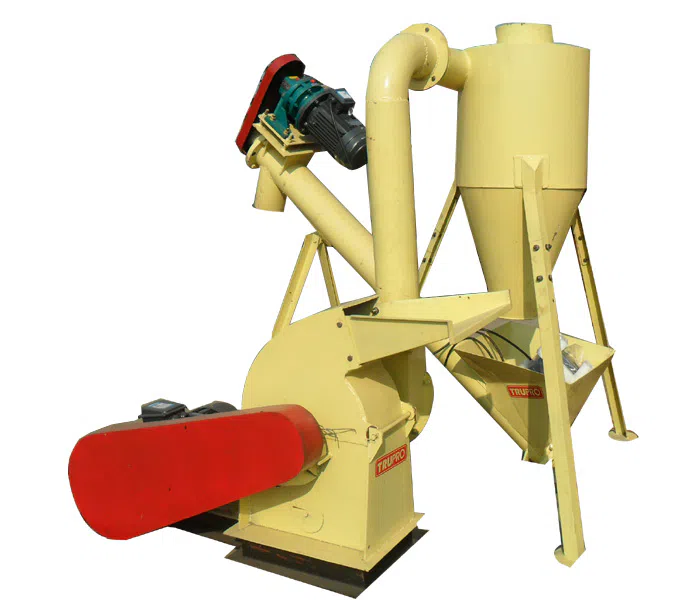
As special equipment for biomass energy recycling, this hammer mill undertakes the core crushing work in biomass fuel production lines. It crushes waste agricultural and forestry resources into standard particles, which can be further processed into biomass pellets, briquettes and organic fertilizers.
It realizes the harmless treatment and resource reuse of agricultural and forestry waste, turning abandoned raw materials into high-value green energy products with excellent environmental and economic benefits.
Advantages
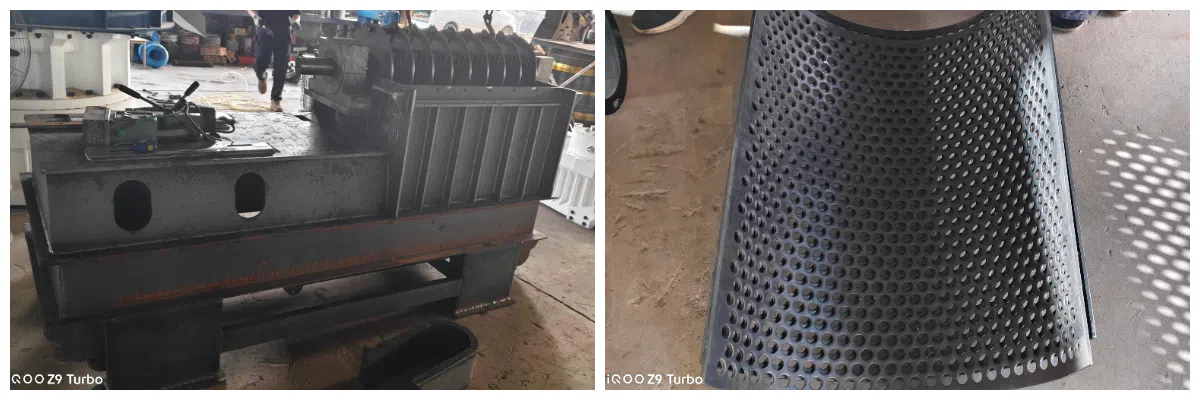
Upgraded with widened feeding ports and optimized internal material guide structures, the hammer mill effectively solves the common jamming problem of traditional crushing equipment. It smoothly processes long strip stalks, bulk wood fragments and damp sticky materials without accumulation or blockage.
The unobstructed feeding and crushing process ensures uninterrupted production, greatly reducing downtime caused by material jams and improving operational stability.
Application Scenarios
Breweries use hammer mills to crush malt and auxiliary raw materials in the wort preparation stage. They crush barley malt, wheat malt and other grain raw materials into appropriate crushed particles, fully breaking the malt structure while retaining complete wheat bran.
This proper crushing degree facilitates subsequent saccharification reaction, improves sugar extraction rate and avoids wort filtration difficulty caused by over-crushing. This application directly affects beer brewing efficiency and final liquor quality.