
Introduction
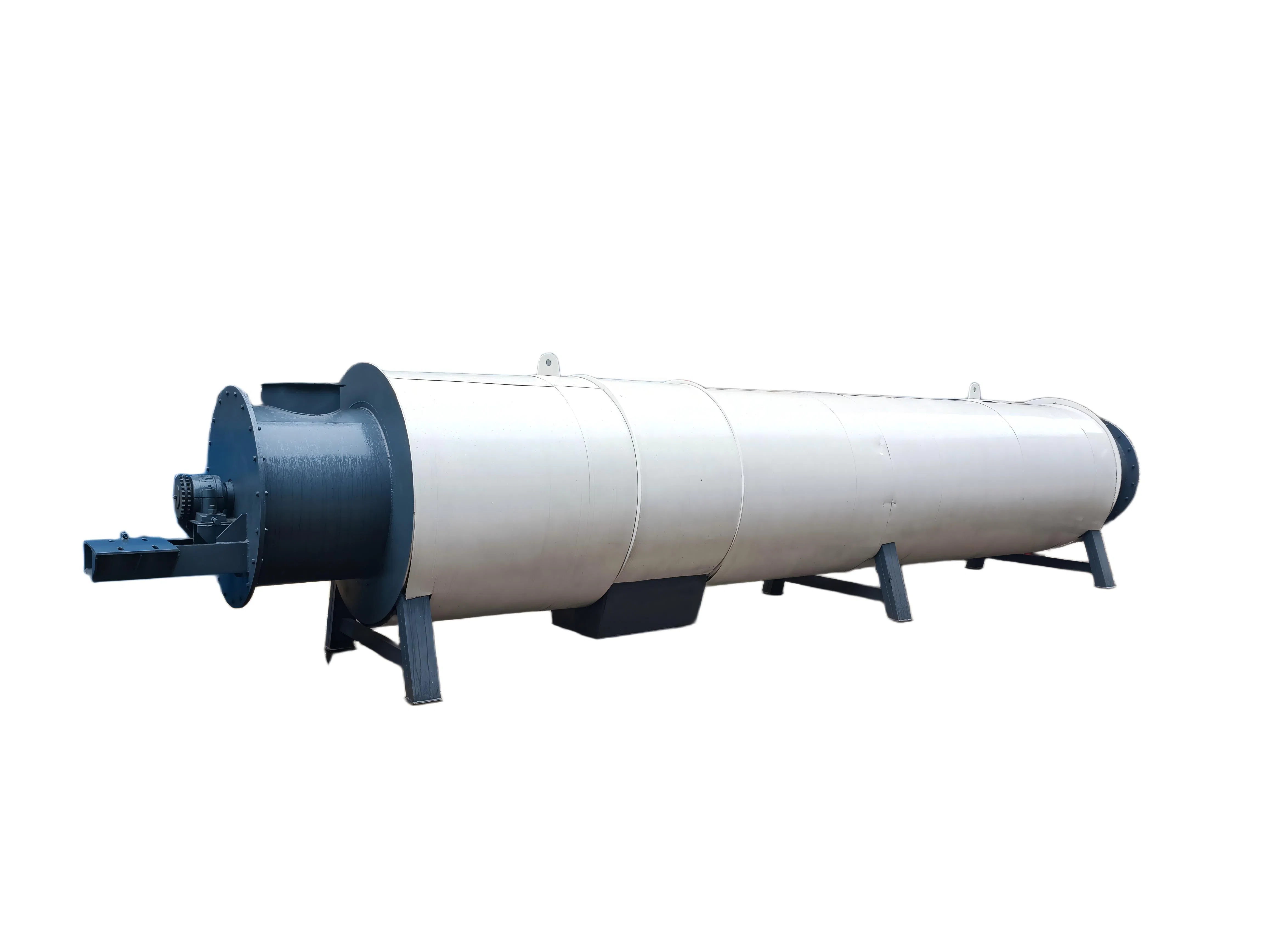
Rotary drum dryers are categorized into two primary airflow configurations: co-current and counter-current, each engineered for specific material characteristics and drying objectives. In co-current dryers, hot gas and wet material enter at the same end and travel in parallel through the drum. This arrangement exposes the wettest, coolest material to the hottest gas immediately upon entry, enabling rapid initial moisture removal while keeping final product temperatures relatively low. Co-current flow is ideal for heat-sensitive materials such as food products, organic chemicals, and biomass, as well as sticky feeds that might otherwise agglomerate if exposed to gradual heating. The configuration also reduces dust entrainment because gas velocity decreases as moisture-laden air cools and expands.
In counter-current dryers, hot gas enters at the discharge end and flows opposite to material travel. This creates an inverse temperature gradient where the driest material encounters the hottest gas, enabling extraction of the final, most tightly bound moisture fractions. Counter-current systems achieve lower final moisture levels—often below 1%—and deliver higher thermal efficiency overall. They are preferred for minerals, sands, and inorganic materials that can withstand elevated discharge temperatures. The choice between configurations depends on inlet moisture content, target final moisture, material heat sensitivity, and desired product temperature. Many modern installations offer adjustable dampers to switch between modes for multi-product facilities.
Advantages
Rotary drum dryers deliver industry-leading thermal efficiency that translates directly into lower operating costs and reduced environmental impact. Traditional direct-fired rotary dryers already achieve thermal efficiencies of 65–75%, and advanced configurations with energy recovery systems can push efficiencies above 85%—far exceeding many alternative drying technologies. This exceptional performance stems from optimized heat transfer mechanics and intelligent system design that minimizes wasted energy.
Counter-current flow configurations, where hot gas travels opposite to material flow, extract maximum thermal energy from the gas stream by exposing the driest material to the hottest temperatures. Triple-pass drum designs further improve efficiency by nesting three concentric drums, creating a folded flow path that recovers heat from outgoing material to preheat incoming air. Waste heat recovery systems capture thermal energy from exhaust gases to preheat combustion air or incoming wet feed, reducing fuel consumption by 20–30%.
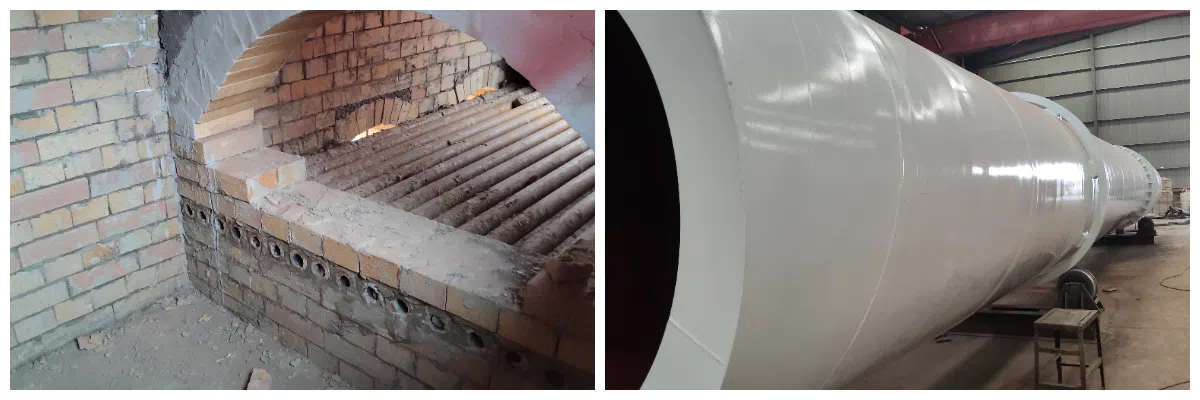
High-temperature insulation on the drum shell and ductwork cuts radiant heat loss by up to 80%, while precision air seals prevent unwanted air infiltration that would dilute hot gas and waste energy. For most industrial operations, energy represents the single largest operating expense for drying equipment. The superior thermal efficiency of rotary drum dryers delivers substantial annual fuel savings that quickly offset capital investment and continue delivering economic benefits throughout the equipment’s decades-long service life.
Application Scenarios
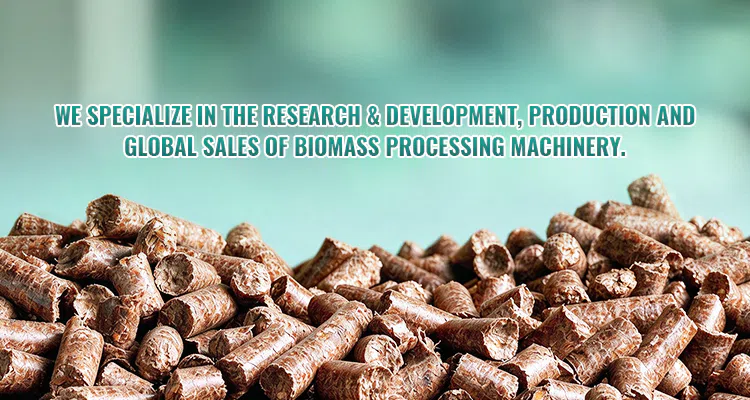
The biomass energy industry is one of the fastest-growing application fields for drum rotary dryers. Raw materials for biomass pellets, briquettes and biofuel power generation include sawdust, wood shavings, wood chips, rice husks, wheat straw, corn stover and sugarcane bagasse. Fresh biomass feedstock normally holds moisture between 40% and 60%, which is too high for pelleting.
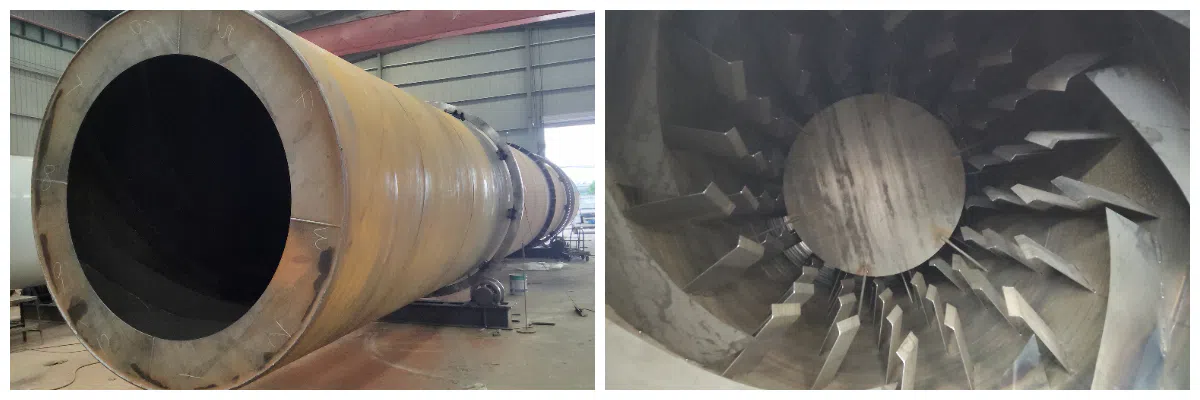
High moisture will cause pellets to crack, reduce density and combustion efficiency, and lead to mold during storage. Rotary drum dryers, especially co-current types, deliver gentle continuous drying for these fibrous materials. As the inclined drum rotates, lifting flights disperse fluffy biomass to avoid material agglomeration and local overheating. Operators can adjust drum speed, hot air temperature and feeding rate to reduce raw material moisture to the target range of 10–15%, the ideal condition for pellet mills.
Many biomass factories use waste flue gas from boilers as heat source for rotary dryers, greatly cutting fuel cost and carbon emissions. The dryer can work continuously to match the high-speed operation of pellet production lines. Triple-pass rotary drum dryers are widely adopted when plant space is limited. In this scenario, rotary dryers turn loose agricultural and wood residues into high-value clean solid fuel, supporting the circular economy and renewable energy development. It is the key pretreatment unit for almost all large-scale biomass pellet plants worldwide.
YouTube Video Link


