Introduction
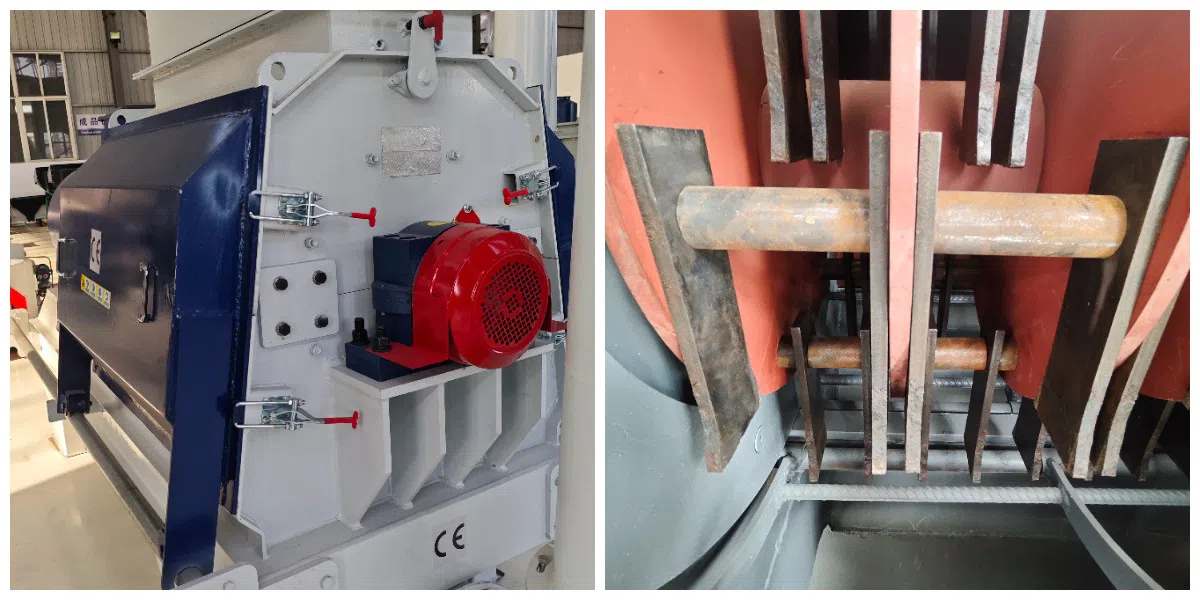
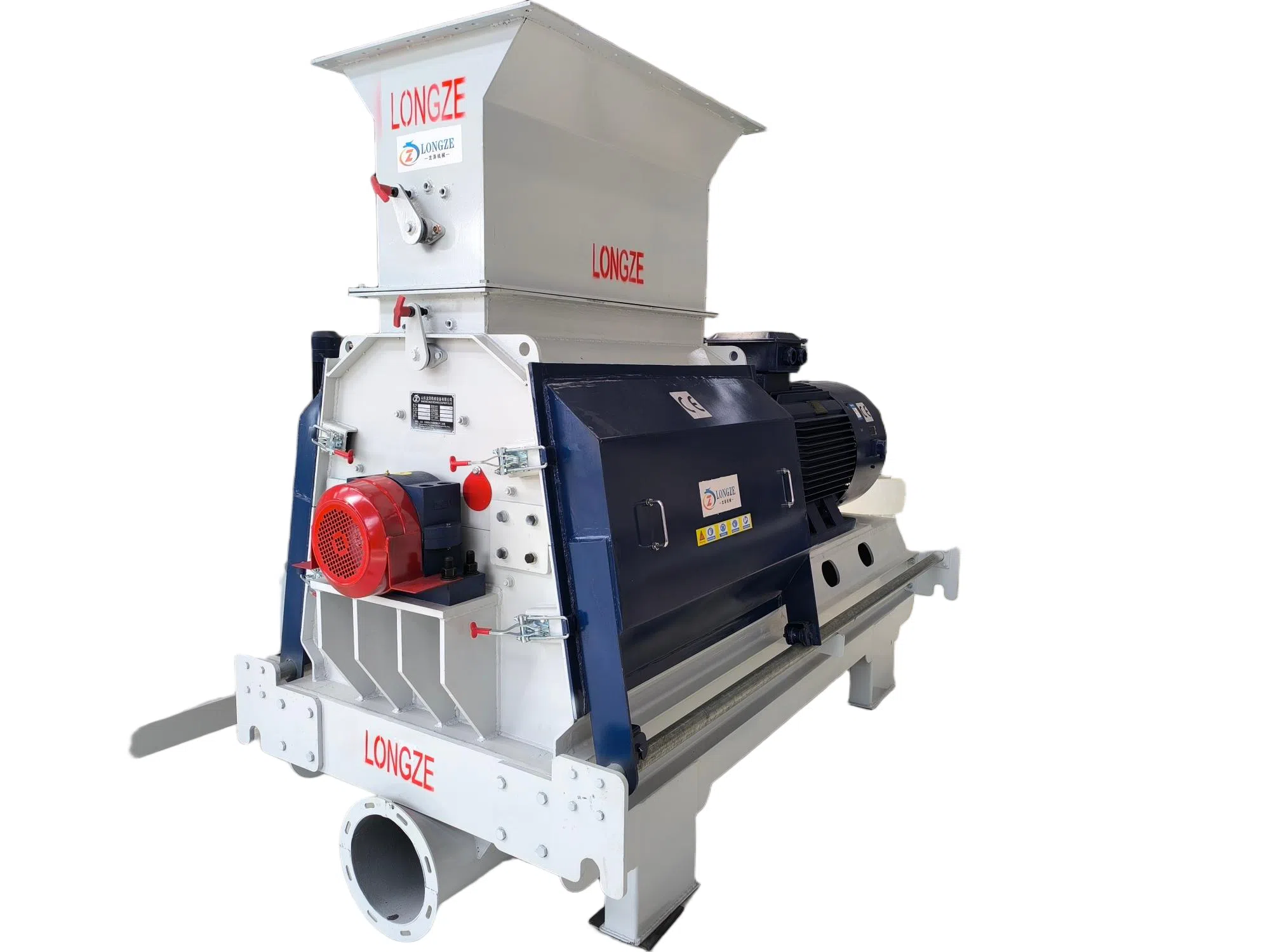
The heavy-duty industrial hammer mill is designed for high-intensity and long-term industrial production scenarios. It adopts an integrally cast thickened body and reinforced rotor assembly, which effectively resists impact deformation and mechanical wear.
Equipped with high-hardness alloy hammers, it can stably crush tough and hard raw materials such as thick wood branches, hardwood blocks and dry crop roots. It features strong load capacity, stable operation and ultra-long continuous working time for large factories.
Advantages
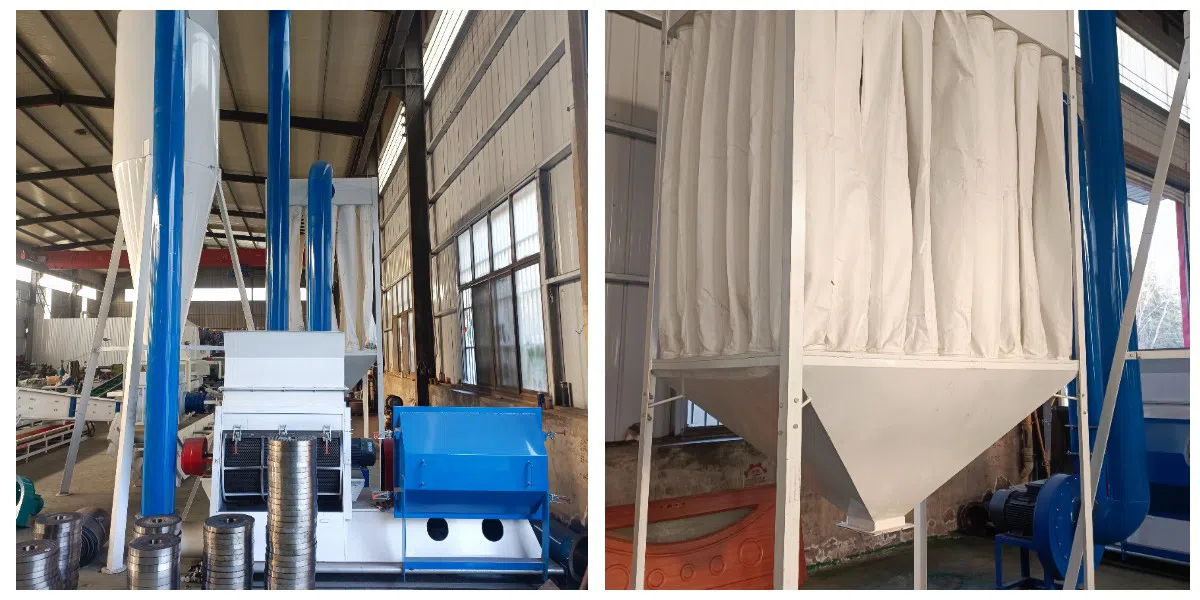
This milling equipment features powerful material adaptability, capable of processing diverse brittle, fibrous and medium-hard materials. It effortlessly handles biomass wastes, various grains, forage crops, wood scraps, and even partial mineral and light industrial waste.
Whether agricultural residues or industrial auxiliary materials, it achieves stable crushing effects. This wide compatibility enables one machine to cover multiple production scenarios and maximize equipment utilization.
Application Scenarios
Hammer mills play a vital role in organic fertilizer production lines by crushing organic raw materials. They process livestock manure, crop residues, mushroom dregs and other organic waste into homogeneous granular materials with proper particle size.
The crushed materials have larger contact area, which accelerates microbial fermentation and decomposition in the subsequent composting process. This application shortens fertilizer production cycle, improves composting efficiency and ensures uniform nutrient content of finished commercial organic fertilizers.