
Introduction
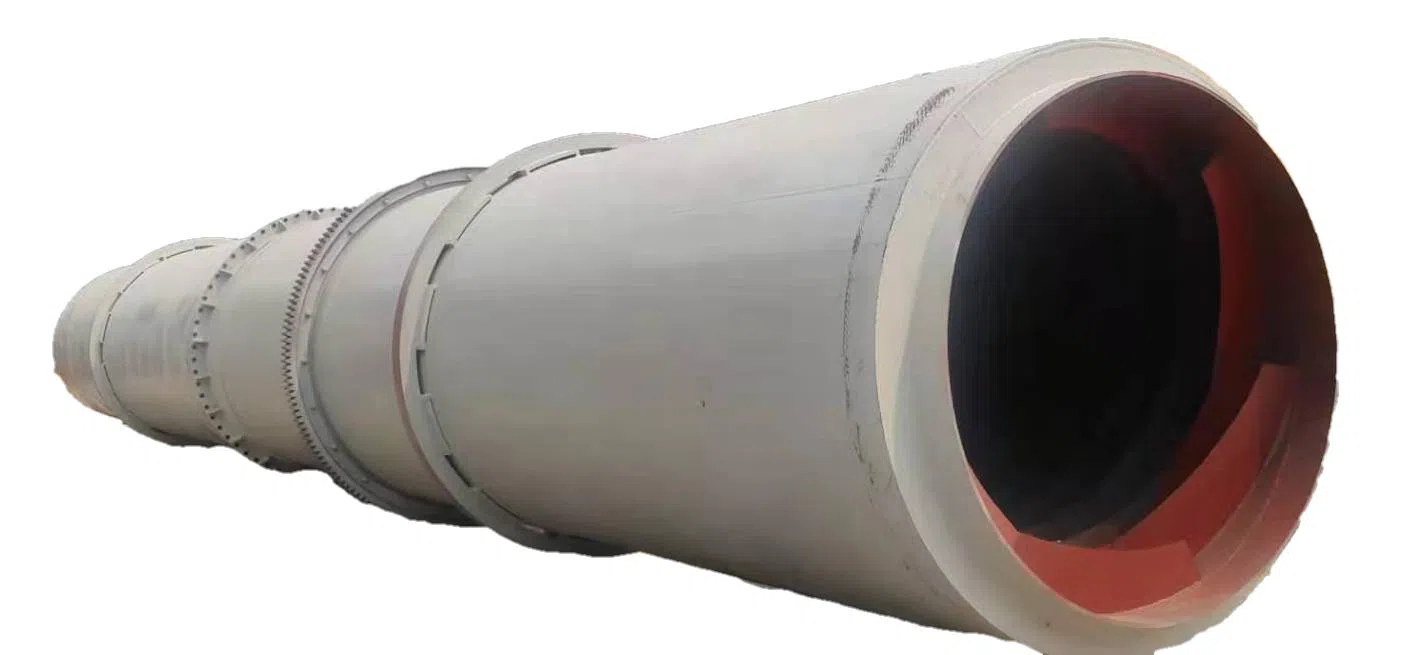
The rotary drum dryer is a cornerstone of industrial thermal processing equipment designed to reduce moisture content in bulk solid materials through direct or indirect heat exchange. At its core, the system features a large, horizontally oriented cylindrical shell that rotates at low speeds (typically 1–8 RPM) while inclined at a 1–5 degree angle from feed end to discharge end. This gentle slope allows material to move through the drum by gravity, eliminating the need for internal conveying screws in most standard configurations.
As wet material enters the elevated feed end via a screw conveyor or vibrating feeder, internal lifting flights—specially shaped steel vanes welded along the interior wall—continuously pick up the material and carry it upward as the drum rotates. When the material reaches a sufficient height, it cascades back down through the hot gas stream flowing along the drum axis. This repeated showering action creates an enormous gas-solid contact surface, driving efficient heat and mass transfer. Moisture evaporates from the material surface and is carried away by the exhaust gas stream, while dried product discharges from the lower end of the drum. This fundamental operating principle makes rotary drum dryers exceptionally well-suited for high-volume, continuous processing of free-flowing bulk materials across virtually every industrial sector.
Advantages
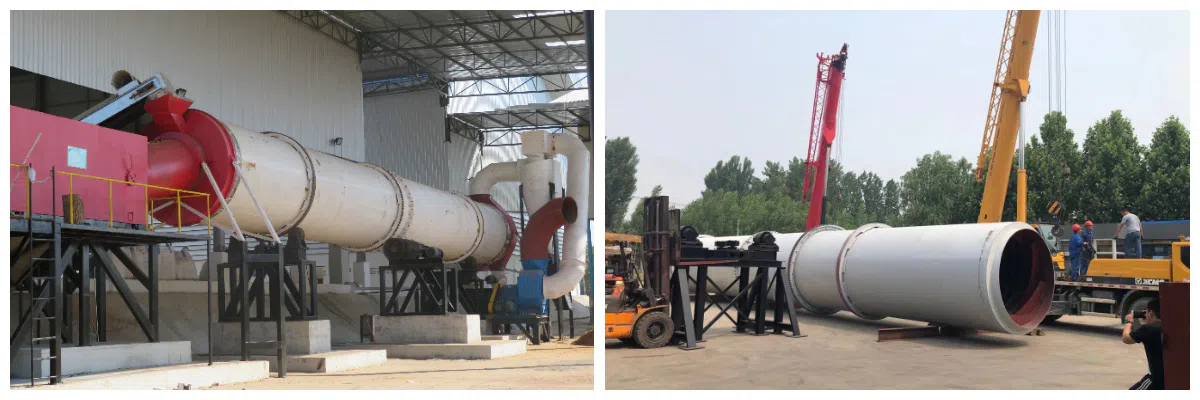
One of the most defining advantages of rotary drum dryers is their unmatched ability to deliver continuous, high-volume drying performance for bulk solid materials. Unlike batch drying systems that require repeated loading, heating, cooling, and unloading cycles, rotary drum dryers operate 24/7 with uninterrupted material flow from feed to discharge. This continuous processing model eliminates downtime between batches and dramatically boosts overall production efficiency, making them the preferred choice for large-scale industrial operations.
Capacities range from modest 1-ton-per-hour units for small processing plants to massive systems handling over 200 tons per hour for mining, aggregate, and biomass operations. The inclined drum design uses gravity to move material through the drying zone, while internal lifting flights create a cascading curtain of material that maximizes exposure to hot gas. This gravity-driven flow means there are no internal conveyors or complex transport mechanisms that could limit throughput or cause jams. For high-demand industries such as mineral processing, cement production, and commercial grain drying, this continuous high-throughput capability directly translates to higher revenue potential, lower per-unit production costs, and the ability to meet peak seasonal demand without bottlenecks. No other drying technology can match the combination of volume, reliability, and simplicity that rotary drum dryers deliver at industrial scale.
Application Scenarios
Drum rotary dryers have long been the mainstream drying solution for mining and mineral processing plants, handling large-volume, abrasive raw minerals and concentrates in continuous 24-hour operation. This application scenario covers iron ore fines, copper concentrates, gold tailings, limestone, phosphate rock, quartz sand, kaolin clay, bentonite and raw coal. After mining, most mineral materials carry high surface moisture. If directly sent to grinding, flotation, pelletizing and smelting processes, wet ore will block pipelines, reduce grinding efficiency and increase transportation weight and cost. Rotary drum dryers adopt counter-current flow design and wear-resistant lining plates to resist particle abrasion.
Internal lifting flights lift mineral particles and form a uniform material curtain, which fully contacts hot gas to remove free moisture steadily. For lignite and coal slime, rotary dryers reduce moisture to improve calorific value and avoid freezing during long-distance transportation in cold regions. Mineral processing lines usually connect the rotary dryer with belt conveyors and cyclone dust collectors. The whole system can stably process dozens to hundreds of tons of minerals per hour. Unlike other dryers that are easy to wear and block, rotary drum dryers tolerate fluctuations in feed particle size and moisture. Consistent final moisture ensures stable downstream beneficiation and metallurgical reactions, lowering production failure rate and improving finished mineral quality. This makes rotary drum dryers an indispensable core equipment in modern mineral processing plants.
FAQ
Q1:What is a rotary drum dryer?
A1:A rotary drum dryer is a large industrial machine used to reduce the moisture content of bulk solids and powders by tumbling them inside a rotating, slightly tilted cylinder
Q2:How does a rotary dryer work?
A2:A rotary dryer works by tumbling wet material inside a slowly rotating, slightly inclined horizontal cylinder while a stream of hot gas passes through it to evaporate moisture.
Q3:What is a rotary dryer?
A3:A rotary dryer is a large industrial machine shaped like a sloped, rotating cylinder used to reduce the moisture content of bulk solid materials
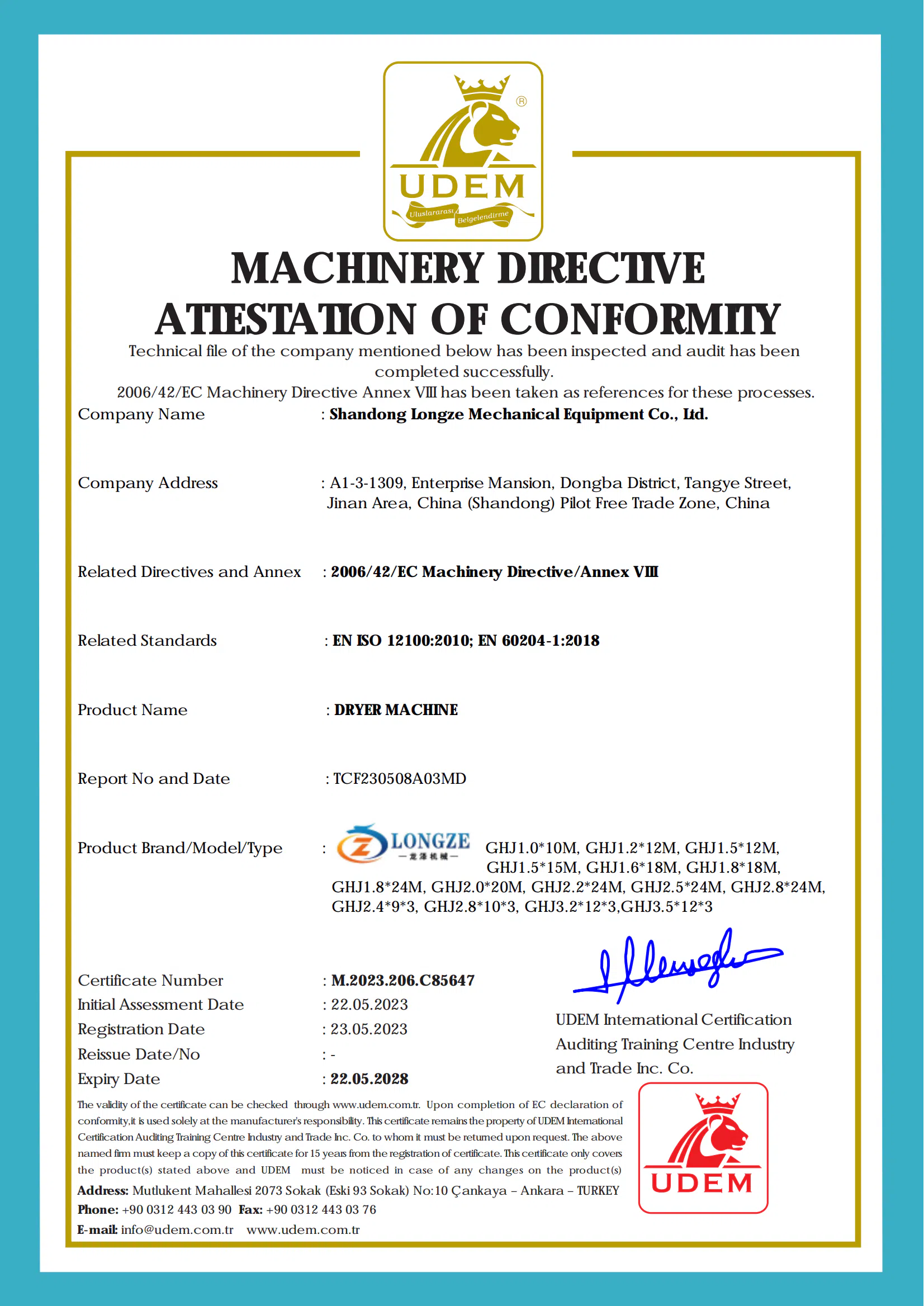
Company Certificate
YouTube Video Link


