Introduction
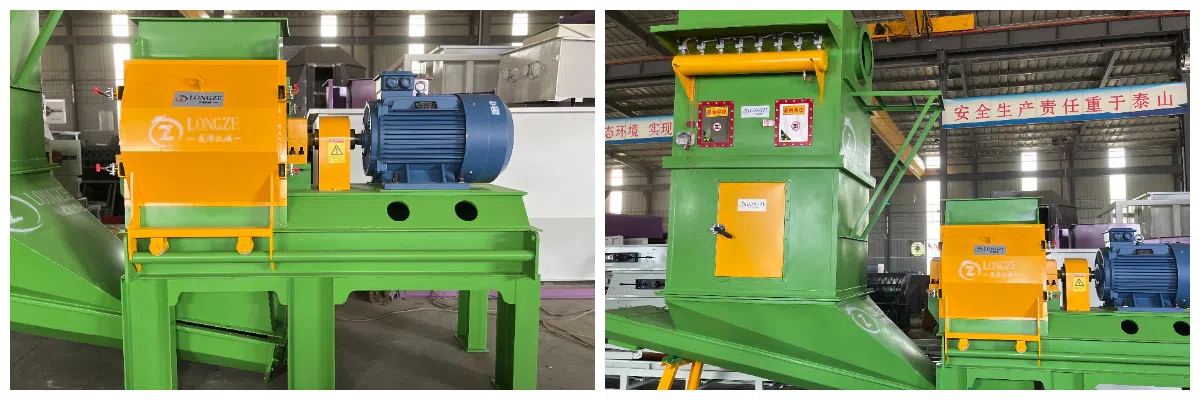
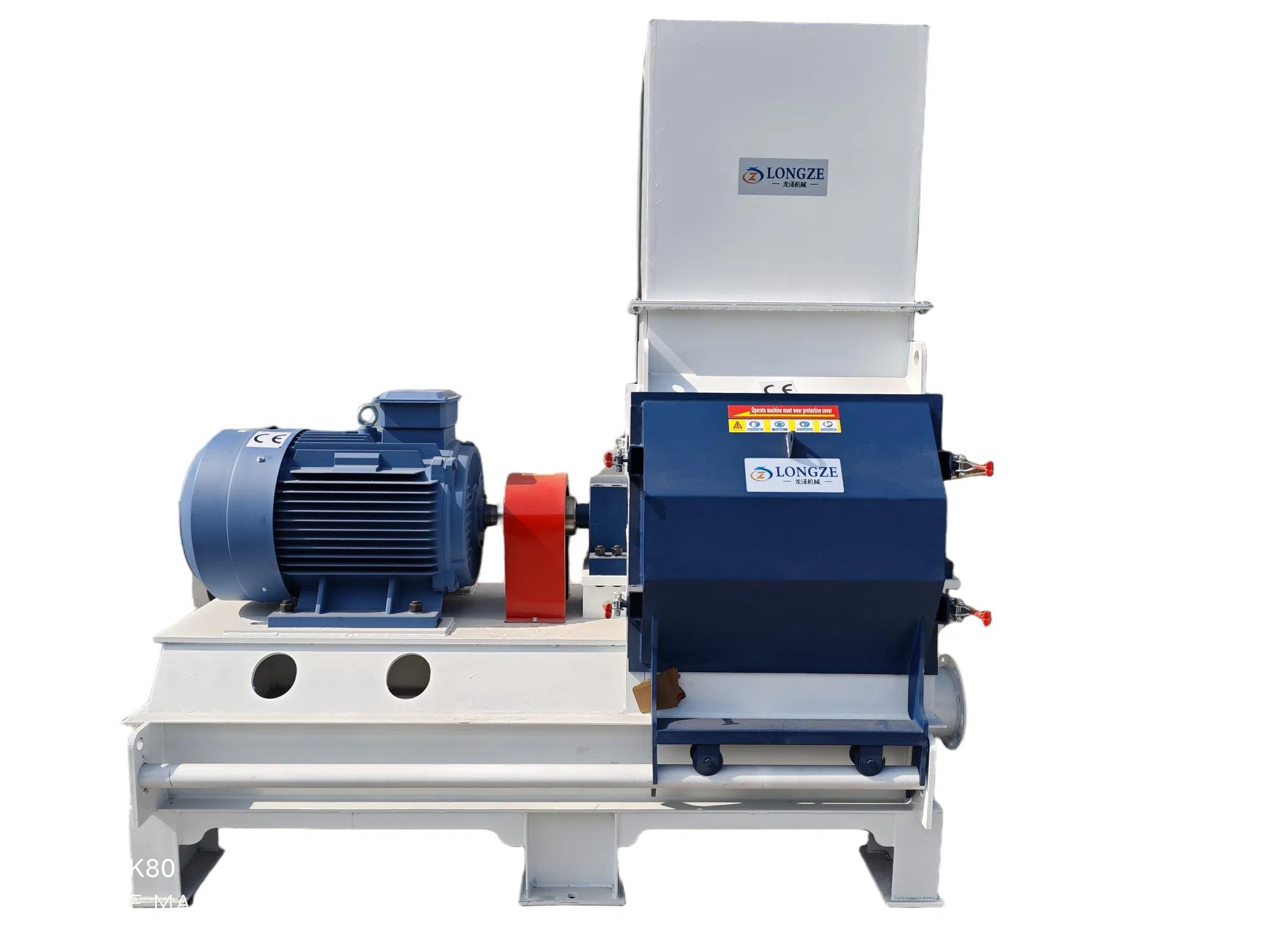
A hammer mill is a prevalent mechanical size-reduction equipment widely applied in industrial and agricultural fields. It relies on high-speed rotating hammer blades to generate strong impact force, striking and smashing bulk raw materials into small particles.
During operation, materials collide with the cavity lining and rub against each other to achieve secondary crushing. With a simple and robust mechanical structure, it can complete continuous crushing work and serves as the fundamental processing equipment for material refinement in various production lines.
Advantages
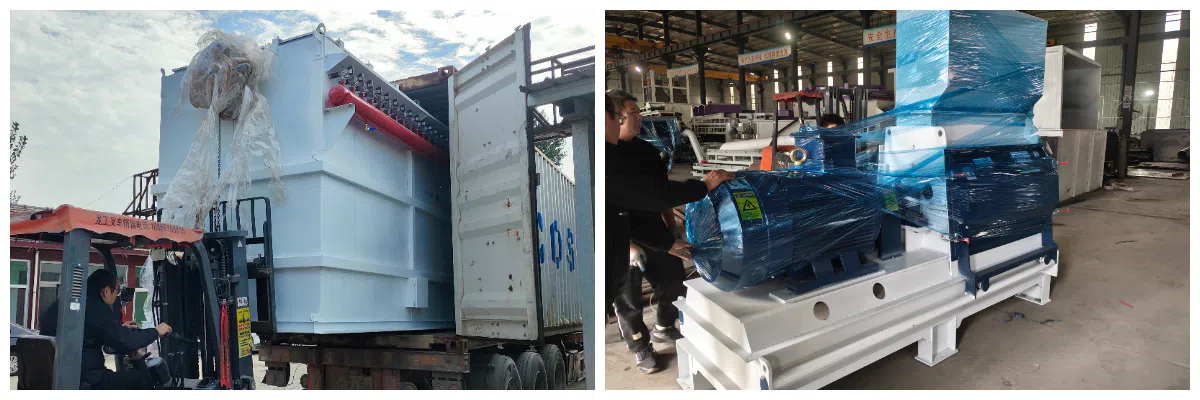
Hammer mills deliver an exceptional crushing ratio ranging from 10 to 50 times, far exceeding many conventional grinding machines. This outstanding performance allows bulky raw materials to be crushed into qualified fine particles in a single pass, eliminating the need for secondary repeated grinding.
It simplifies the entire production workflow, reduces auxiliary processing equipment, and effectively streamlines production procedures while lowering overall process complexity for industrial processing lines.
Application Scenarios
Hammer mills serve as the indispensable core pre-processing equipment in commercial biomass pellet production lines. They efficiently crush bulky raw materials including wood chips, wheat straw, corn cobs and cotton stalks into uniformly sized fine particles that strictly match the feeding standards of pellet mills.
The consistent particle size ensures smooth extrusion and high compactness of finished pellets, effectively improving pellet forming rate and reducing mechanical wear on downstream pelletizing equipment. This application directly enhances overall production efficiency and final fuel quality of biomass pellet manufacturing plants.